


Dog with otitis: symptoms, causes and effective treatment
Tuesday, June 24th, 2026
Care and advice
Does your dog have otitis? Discover the most effective symptoms, causes, and treatments to relieve pain and prevent ear infections.
Caring for the health of our four-legged companions involves being very attentive to small changes in their daily behavior. Among the most common consultations in veterinary clinics are those related to ear discomfort, an especially sensitive area prone to issues. If you notice that your pet is restless or complains when you pet their head, it is very likely that you are dealing with a dog with otitis, a painful condition that, if detected early, can be resolved with proper management.
In this guide, we will closely explain everything you need to know about this inflammation: from how to identify its warning signs to the fundamental medical guidelines to relieve your faithful friend's discomfort and prevent complications.
Dog with otitis: symptoms, causes, and how to treat it
Facing a health problem in our companion animal requires calm and rigorous information. Inflammation of the ear canal significantly alters the pet's well-being, causing sharp pain that can affect their mood, appetite, and daily energy. Understanding why it occurs and how to act with the help of a professional is the first step toward a quick recovery without aftereffects.
What is otitis in dogs?
Otitis is fundamentally the inflammation of the tissue lining the ear canal. The ear of canines has a very unique anatomy: unlike ours, their canal is shaped like an 'L' (with a vertical and a horizontal section). This structure makes it difficult for dirt, earwax, or water to exit naturally, creating a closed, warm environment ideal for problems to arise.
Types of otitis in dogs (external, middle, and internal)
Depending on the depth of the condition, it is classified into three levels of severity:
-
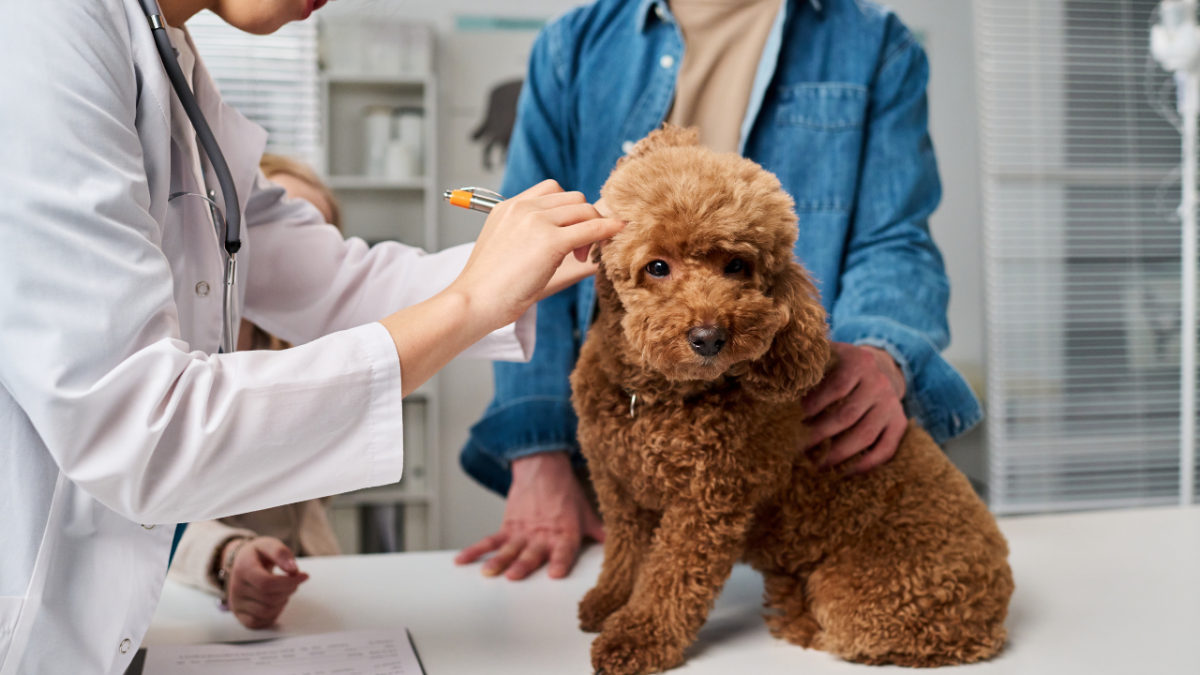
External otitis: This is the most common and mildest form. It affects from the auricle (the ear flap) to the eardrum. If treated quickly, the prognosis is excellent.
-
Middle otitis: This occurs when the inflammation passes through the eardrum, affecting the middle ear cavity. It is usually the result of an improperly treated external condition.
-
Internal otitis: The most complex scenario, where the infection reaches the structures of the inner ear responsible for balance and hearing. It can cause serious neurological problems.
Why it is a common problem in pets
Precisely because of that 'L' shape of their ear canal, internal ventilation is very poor. If we add to this the accumulation of moisture or the genetic predisposition of certain ear morphologies, the ear becomes a real magnet for imbalances in the skin flora.
Breeds more prone to otitis
Although any dog can suffer from it, those with long, floppy ears are the most common patients at the vet. Breeds like the Cocker Spaniel, Basset Hound, Beagle, or Poodle have their ear canal naturally blocked by the weight of the ear itself, which prevents air from entering and proper moisture evaporation. Dogs with a lot of hair inside the canal or with atopic skin (such as the West Highland White Terrier or French Bulldog) also have a higher risk.

Symptoms of a Dog with Otitis
Learning to 'read' the physical signs of discomfort in your four-legged companion is vital to catching the problem in its early stages. Pay attention if you notice these signs:
Constant Head Shaking
This is the classic and most obvious symptom. The animal shakes its head vigorously from side to side or keeps it slightly tilted toward the ear that is causing discomfort, trying to relieve pressure or the sensation of something blocked inside.
Bad Odor in the Ears
A healthy ear canal should not smell at all. If when you approach its head you notice an unpleasant, rancid, or very characteristic sweetish odor, it is an unmistakable indicator that there is an abnormal proliferation of microorganisms inside.
Redness and Inflammation
When gently lifting your pet's ear, the inner skin should be a clean, pale pink color. If you see a bright red color, a thickened area, or the skin feels hot to the touch, there is an active inflammatory process.
Discharge or Excessive Earwax
The presence of an excessive amount of wax is a defensive response by the body. If this discharge is dark brown, black (similar to coffee grounds), or yellowish and purulent, it indicates the nature of the disorder.
Pain When Touching the Area
A dog with discomfort will be reluctant to have its head handled. If when you try to pet its neck or ears it pulls away, whines, moans, or tries to mouth you, the level of pain is considerable.
Causes of Otitis in Dogs
Inflammation is not a disease in itself, but rather the symptom of a triggering factor that has disrupted the balance of the ear canal.
Bacterial and Fungal Infections
Bacteria and yeasts (especially a fungus called Malassezia) naturally and controllably inhabit the animal's skin. However, when the ear's ecosystem is altered, these microorganisms reproduce massively, generating a very uncomfortable secondary infection.
Food or Environmental Allergies
Allergic problems (such as atopic dermatitis or intolerance to certain dietary ingredients) often manifest with intense itching on the paws, belly, and very frequently in the ears. Many chronic or recurrent cases have their real origin in an undiagnosed allergy.
Presence of Ear Mites
The parasite Otodectes cynotis is a tiny mite that lives in the ear canal, being especially common in puppies or animals that live with cats. It causes unbearable itching and a very characteristic dry, blackish discharge.
Excess Moisture (Baths, Beach, Pool)
Water is one of the great enemies of canine ears. If after a bath at home, a day of playing in the pool, or a day of running on a dog beach, water enters the ear canal and does not dry properly, that stagnant moisture becomes the ideal breeding ground for fungi.
Foreign Bodies or Accumulated Dirt
During outings to the countryside in the spring and summer months, it is very common for grass awns or dry leaves to get into the ear canal. These elements move inward and act like sandpaper against the walls of the canal, causing brutal and immediate inflammation.
Treatment for Otitis in Dogs
At the slightest suspicion of hearing problems, the only safe course is to see a veterinarian. Never apply products on your own, as you could irreversibly worsen the situation.
Ear Cleaning: A Key Step in Treatment
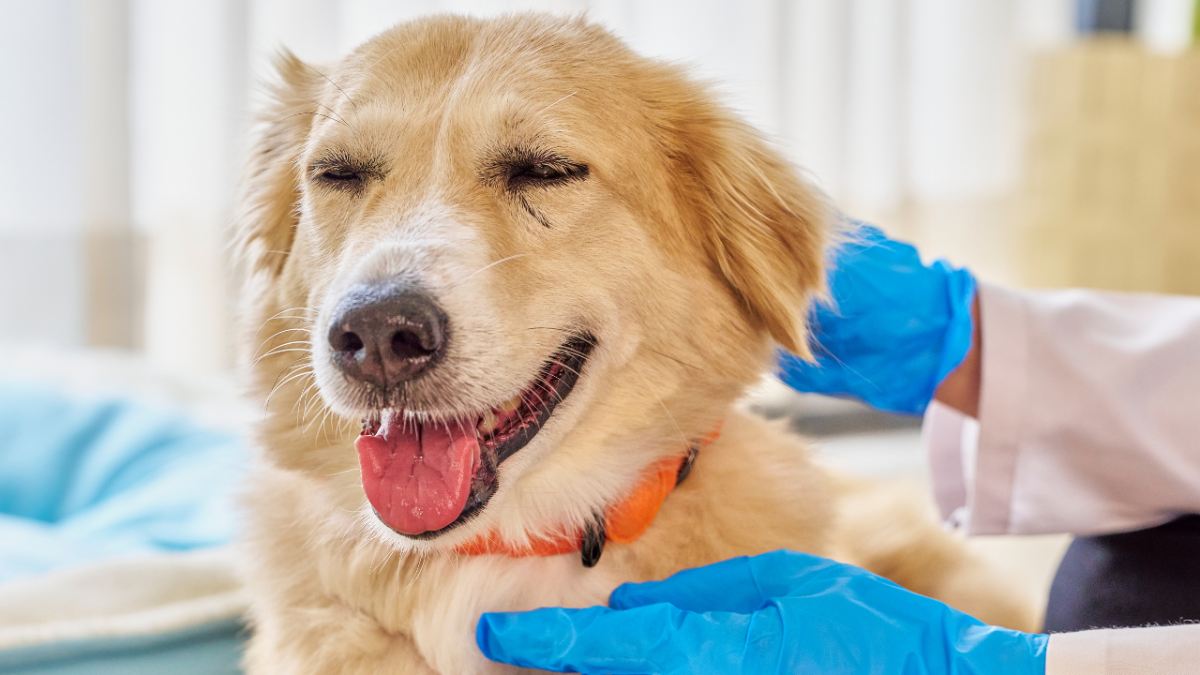
The veterinary professional will perform a thorough examination using an otoscope to verify that the eardrum is intact. The first step of treatment usually involves a deep cleaning in the clinic using specific cerumenolytic cleaners to remove excess secretion and allow the medications to take effect.
Veterinary Medication (Drops, Antibiotics, Antifungals)
Depending on the cause identified in the analysis of the secretions, the veterinarian will prescribe the appropriate treatment:
-
Ear drops that combine anti-inflammatories (to relieve pain) with antibiotics or antifungals.
-
Oral treatment in severe cases where there is a deep infection or significant systemic inflammation.
-
Specific antiparasitics if the cause was a mite outbreak.
When to See a Veterinarian Urgently
If you notice your pet walking unsteadily, losing balance, having rapid involuntary eye movements (nystagmus), or tilting their head excessively, you should seek urgent care: these are signs that the infection has reached the middle or inner ear.
Duration of Treatment and Follow-Up
Treatments usually last between one and three weeks. It is vital not to stop the applications early, even if you see that the animal is no longer scratching or smelling bad. Interrupting the medical regimen before veterinary confirmation can lead to bacterial resistance and cause the problem to return more severely.
How to Prevent Otitis in Dogs
Prevention is the best medicine to keep your four-legged companion safe and healthy.
Regular Ear Hygiene
Get your pet used to ear handling from puppyhood. Check the inside of the ear canal once a week in a relaxed manner and use a specific ear cleaner for pets if you notice normal wax buildup, removing only the excess on the outside with a clean gauze (never insert anything deep inside).
Dry Ears Thoroughly After Bathing or Swimming
Make ear drying a non-negotiable habit after every bath or time in the water. Use a clean towel to absorb external moisture and, if your dog tolerates it, use a hairdryer on a warm setting at a safe distance to eliminate any remaining moisture at the base of the ear.
Regular Check-Ups
Take advantage of routine vaccination or deworming visits to ask the veterinarian to examine the back of your dog's ears with an otoscope. This allows for the detection of minor abnormalities before they become painful conditions.
Can otitis in dogs be cured at home?
What you can do in mild cases
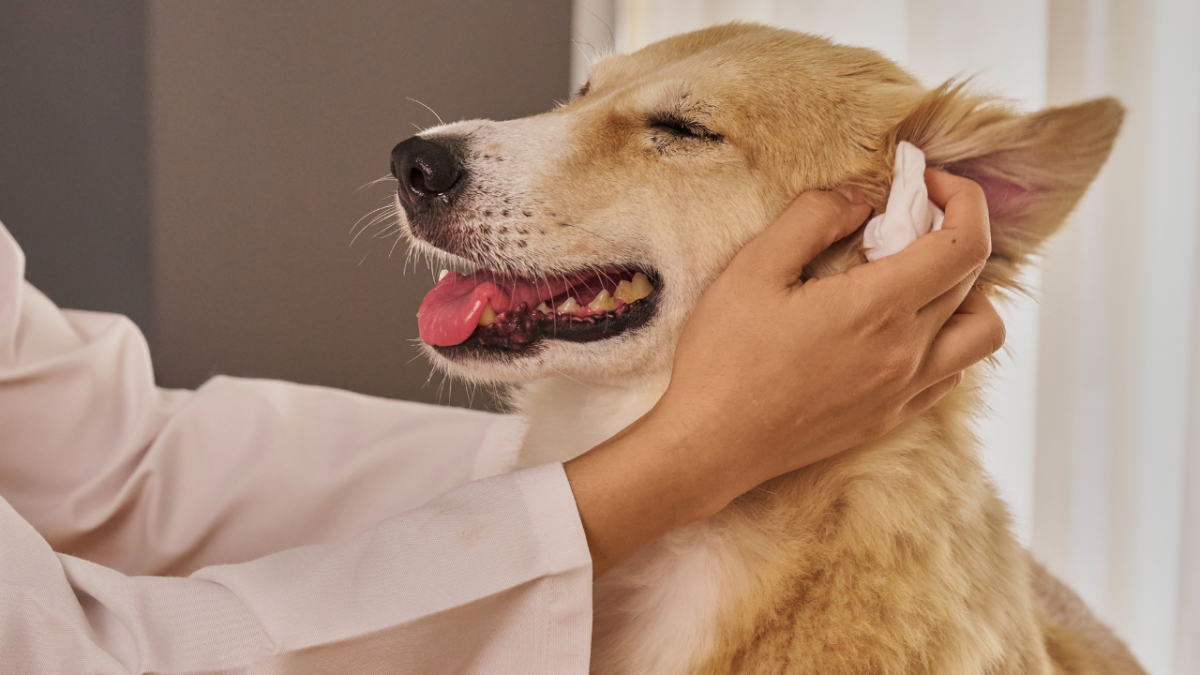
If you notice the onset of normal dirt or very slight redness without pain or bad odor, the only thing you can safely do at home is perform an external hygienic cleaning with a suitable veterinary product and observe the evolution over the next 24 hours.
Common mistakes you should avoid
-
Using cotton swabs: They are strictly prohibited. Due to the L-shape of the ear canal, the only thing you will achieve is compacting the wax deeper, creating a hard plug, or you risk perforating the eardrum if the animal makes a sudden movement.
-
Home remedies without scientific basis: Applying vinegar, olive oil, alcohol, or hydrogen peroxide inside the ear is reckless and causes chemical burns and severe irritation to skin that is already damaged.
Risks of not treating otitis correctly
A neglected or poorly treated condition causes the tissues to become chronic, leading to permanent narrowing of the ear canal due to scarring. In the most severe scenarios, it can result in total hearing loss (deafness) or require complex surgical ablation of the ear canal to eliminate the bone infection.
Tips to improve your dog's ear health
-
Maintain a proper cleaning routine: Integrate ear checks into your regular weekly grooming sessions. Always reward your pet after handling to associate it with a positive and calm experience.
-
Use products specific to dogs: The pH of canine skin is completely different from human skin. Use only and exclusively cleaners formulated by trusted veterinary laboratories.
-
Observe changes in their behavior: No one knows your dog better than you. Staying attentive to their daily gestures, head shaking, or body language is the best guarantee to ensure their ears remain healthy, clean, and ready to fully enjoy life together.
Related articles



Would you like the complete guide?
Leave your email address and we will send it to you in PDF format directly to your inbox. It's completely free!
By joining, you agree to subscribe to our newsletter to receive news, discounts, and special promotions from Grupo 4PATAS. You can unsubscribe at any time. See our Privacy Policy for more information.