


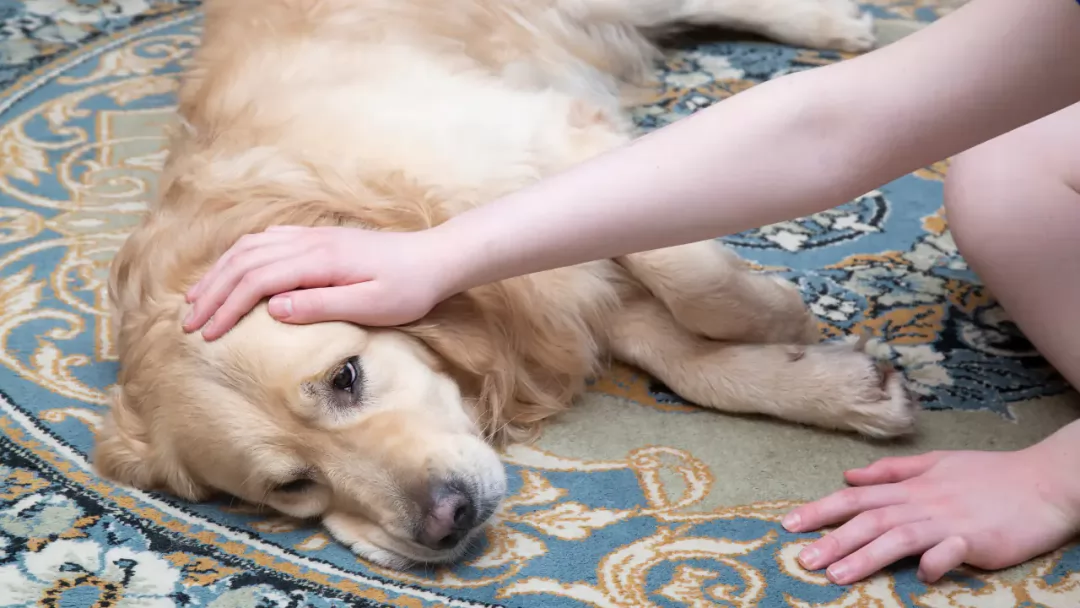
Heatstroke in dogs: symptoms, causes, and how to act in time
Friday, July 25th, 2026
Care and advice
Discover how to identify and prevent heatstroke in dogs. Symptoms, causes, and step-by-step what to do to protect your pet in summer.
Summer is a fantastic time to plan getaways, go on routes, and enjoy the outdoors with the whole family. However, when temperatures rise, one of the greatest health risks for our pets also skyrockets. Knowing how to identify and prevent heatstroke in dogs is vital to react in time and avoid serious scares that could endanger your best friend's life.
Unlike humans, dogs do not have the ability to sweat through their skin to self-regulate their body temperature. Understanding how their body works in the face of heat spikes and what measures to take on a daily basis will allow you to enjoy your vacations with complete peace of mind.
Heatstroke in dogs: what it is and why it is dangerous
Heatstroke is a drastic and sudden rise in the animal's body temperature (hyperthermia) that the body cannot compensate for on its own. While a dog's normal temperature ranges between 38°C and 39°C, during a severe episode it can quickly exceed 40.5°C or 42°C.
This situation is extremely dangerous because, when these internal temperatures are reached, cellular proteins begin to denature, blood circulation collapses, and multi-organ failure occurs within minutes. Dogs do not sweat like we do; their only mechanism for releasing heat is through panting and the pads of their paws, a fairly limited system when the outside environment is stifling.
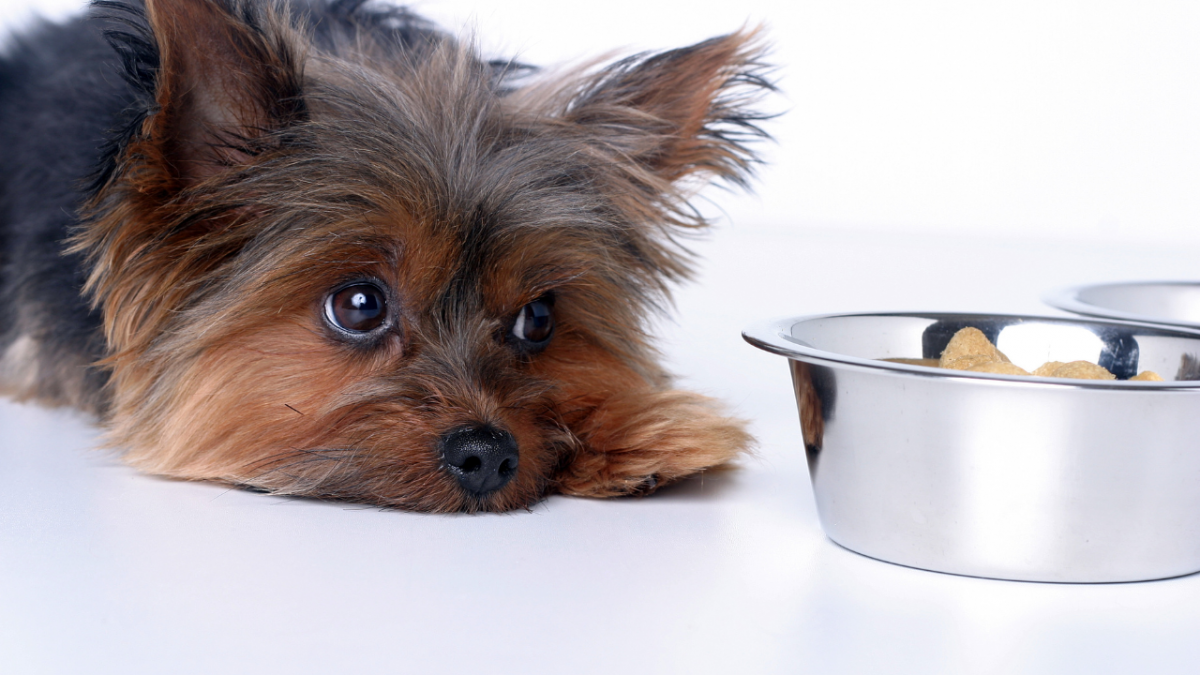
Causes of Heatstroke in Dogs
The origin of this problem is almost always linked to human negligence or a lack of understanding of how pets process heat:
-
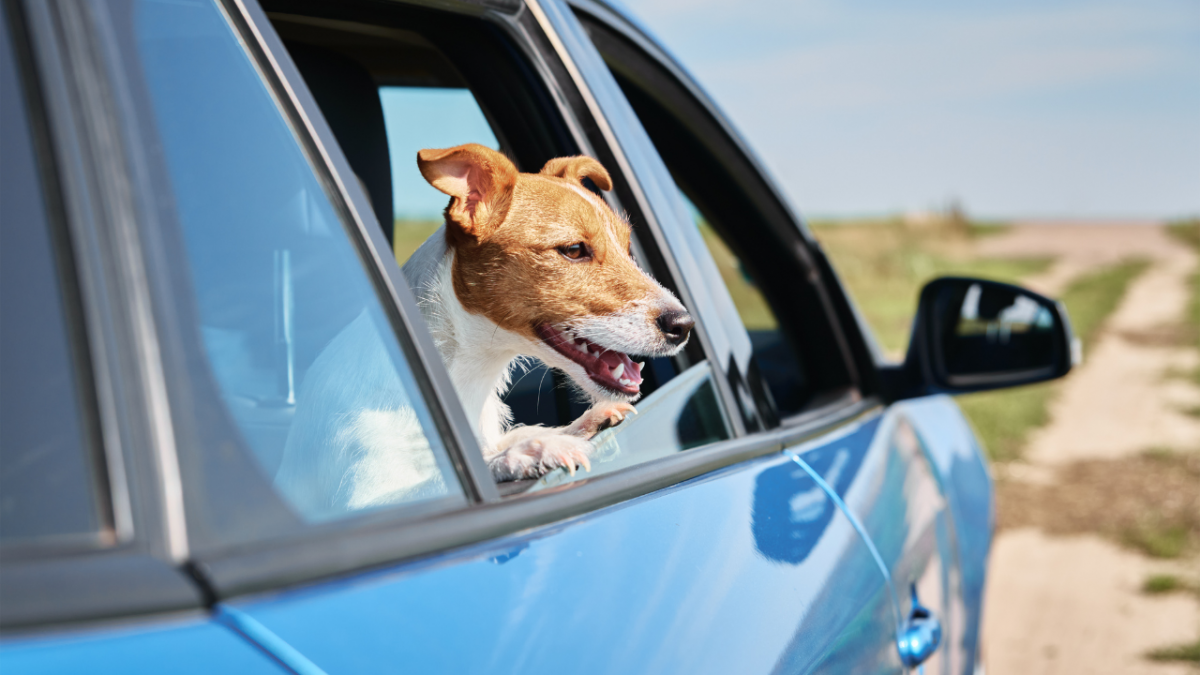
Being trapped in a car: This is the most common and tragic cause. Even if the vehicle is in the shade or with the windows slightly open, the interior acts like an oven and can reach deadly temperatures in less than 10 minutes.
-
Exercising under the sun: Running, playing fetch, or going on demanding walks during the central hours of the day.
-
Lack of shade and fresh water: Being exposed to direct sunlight on terraces, gardens, or beaches without access to constant hydration.
-
High environmental humidity: If the humidity in the air is high, it is much harder for the dog to release heat through panting.
-
Hot surfaces: Walking on asphalt, concrete, or overheated sand without proper ventilation.
Symptoms of Heatstroke in Dogs
Knowing how to detect the warning signs in time makes the difference between a scare and a serious veterinary emergency. Pay attention to the following symptoms:
-
Excessive, rapid, and noisy panting: The dog is desperately trying to release heat.
-
Excessive drooling or very thick and sticky saliva.
-
TONGUE AND GUMS OF INTENSE RED, BLUISH, OR VERY PALE COLOR: Clear sign of lack of oxygenation or circulatory failure.
-
Lethargy, staggering, and lack of coordination: The animal appears disoriented or stumbles when walking.
-
Increased heart rate (tachycardia).
-
Vomiting and diarrhea.
-
Loss of consciousness, seizures, or physical collapse.
If you notice any of these signs, you must intervene immediately. In our section on care and tips for your pet, you will find more guides on preventive health for your outings.
What to Do If Your Dog Suffers Heatstroke
If you suspect your dog is experiencing a hyperthermia episode, speed is crucial, but you must stay calm to act wisely. Follow these first aid steps:
-
Move it immediately to shade or a cool place: Look for an air-conditioned space or a spot with a draft.
-
Cool it down GRADUALLY: Never use ice-cold water or submerge it in ice, as this would cause sudden vasoconstriction and worsen the situation. Use lukewarm or cool water (never freezing).
-
Apply wet cloths to key areas: Dampen towels or rags and place them on the head, neck, armpits, groin, and paw pads.
-
Keep it ventilated continuously: You can use a fan or fan it while applying the wet compress.
-
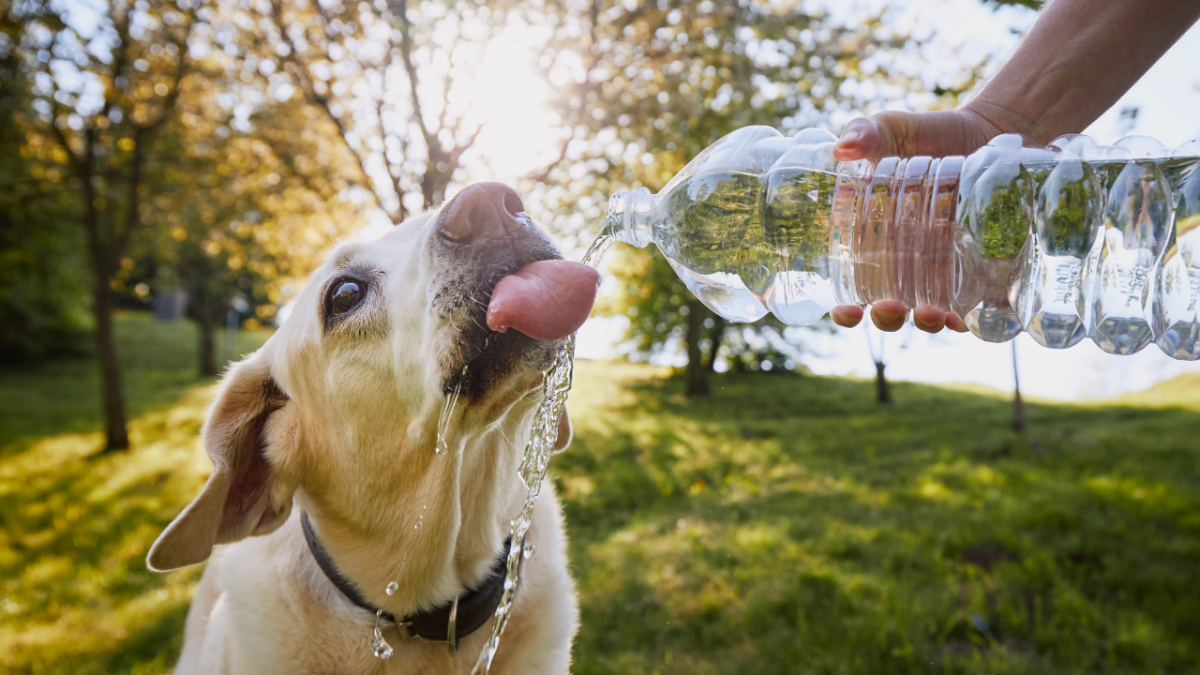
Offer it fresh water in small amounts: Do not force it to drink if it cannot do so on its own or if it is disoriented.
-
SEE A VETERINARIAN IMMEDIATELY: Even if the dog seems to recover, it is mandatory for a professional to examine it. Internal aftereffects or secondary organ failure can appear hours later.
How to Prevent Heatstroke in Dogs
Preventing heatstroke in dogs is infinitely easier than treating it. By applying basic common-sense routines, you will keep your companion completely safe:
-
Never, under any circumstances, leave it alone inside a parked vehicle.
-
Ensure it has clean, fresh water 24 hours a day (add ice cubes to the water bowl at home to keep it cool).
-
Make sure it always has a large shaded area if you are outdoors.
-
Plan daily walks outside of peak sunlight hours.
-
At Viajes4patas, we love traveling with furry friends, so we advise you to always carry a thermos with water and a portable water bowl in your travel backpack for any technical stops along the route.
Dog Breeds Most Prone to Heatstroke
Although any dog can suffer from it under extreme conditions, certain groups have a significantly higher risk:
Brachycephalic Dogs (Bulldog, Pug, etc.)
Breeds like the French Bulldog, English Bulldog, Pug, or Boxer have shorter and narrower airways. This anatomy greatly hinders efficient panting, causing them to collapse from heat much sooner than dogs with long snouts.
Senior Dogs or Those with Health Issues
Senior dogs, as well as those with heart conditions, pre-existing respiratory problems, or weakened immune systems, have a very reduced tolerance to heat.
Puppies and Overweight Dogs
Puppies have not yet fully regulated their body temperature. On the other hand, accumulated fat in overweight dogs acts as a thermal insulator, retaining heat inside the body dangerously.
Heatstroke in dogs in summer: risks on the beach and in the city
Summer vacations change our routines, but we must not let our guard down in certain environments:
Urban walks on hot asphalt
The city floor absorbs solar radiation and reaches extremely high temperatures (asphalt at 25°C ambient temperature can reach 50°C on the surface). Apply the 5-second rule: place the back of your hand on the asphalt; if you can't hold it for 5 consecutive seconds, your dog shouldn't step on it either, or it will burn its paw pads.
Beach days without sun exposure control
If you go to a dog-friendly beach, always bring an umbrella or protective canopy. Prevent the dog from drinking seawater to quench its thirst (the salt will cause severe dehydration and vomiting) and don't let it roll in scorching sand.
Physical exercise during vacations
Being on vacation encourages us to make more plans, but avoid intense sessions of running, agility, or ball games under the sun. Leave physical exercise for the coolest hours of the day.
Our tips to protect your dog from extreme heat
Safe times for walks
Take advantage of the early morning hours (before 9:00 a.m.) and the late evening hours (after 9:00 p.m. or when the sun has fully set) for long walks and activities.
How to cool your dog at home
Place cooling mats in its resting area, set air conditioning or fans at its level, and prepare homemade canine ice treats (such as unsalted chicken broth frozen in molds or chopped dog-safe fruit).
Useful accessories against the heat
Nowadays, there are self-cooling blankets, cooling vests that are moistened before going for a walk, and veterinary sunscreens for areas with little fur (snout and ears).
Related articles


Would you like the complete guide?
Leave your email address and we will send it to you in PDF format directly to your inbox. It's completely free!
By joining, you agree to subscribe to our newsletter to receive news, discounts, and special promotions from Grupo 4PATAS. You can unsubscribe at any time. See our Privacy Policy for more information.